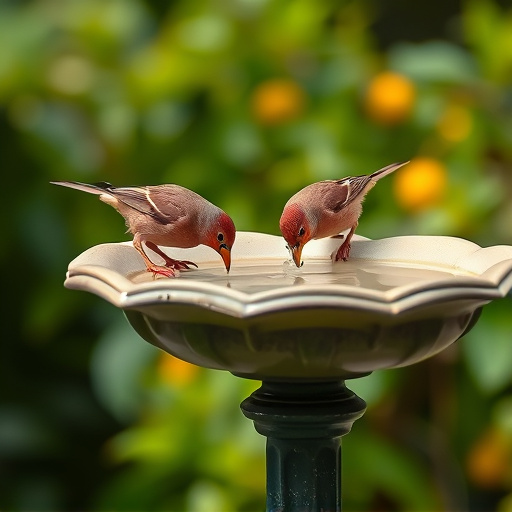
As the days grow longer and the sun shines brighter, many backyard bird enthusiasts consider packing away their feeders, believing that birds no longer need their help. After all, summer brings an abundance of natural food sources and insects, right? While it's true that birds' diets shift during the warmer months, especially when raising their young, discontinuing your feeding efforts means missing out on one of nature's most rewarding spectacles. In fact, summer bird feeding offers a unique opportunity to observe different species and fascinating behaviors you won't see in winter. Dr. David Bonter, an expert from the Cornell Lab of Ornithology, has dedicated over a decade to studying feeder birds, and his insights confirm that keeping your feeders active through summer is not only safe but also incredibly enriching.
Why Continue Summer Bird Feeding? Unexpected Delights and Family Moments
The notion that bird feeders should be retired once spring arrives is a common misconception. While hummingbirds with their specialized nectar feeders are often seen as the only summer guests, a diverse array of other species will gladly visit your feeders. Even though the sheer number of individual birds might not match the bustling winter crowds, the quality of interaction often surpasses it.
It's undeniable that during spring and summer, birds naturally incorporate more insects into their diet, a crucial protein source for their rapidly growing offspring. Coupled with the wider availability of berries, seeds, and nectar, one might assume supplemental food is unnecessary. However, birds, much like humans, appreciate the convenience of a readily available meal. This 'fast food' convenience becomes particularly vital when parent birds are tirelessly foraging to fledge their young. Providing a reliable food source can ease their burden, allowing them to focus on teaching their brood essential survival skills.
One of the greatest joys of safe summer bird feeding is witnessing avian families in action. Imagine a proud cardinal dad bringing his fledgling to the feeder, gently demonstrating how to crack a sunflower seed. Or a tiny chickadee parent meticulously plucking a seed to present to its eager young. Titmice and even finches will often bring their progeny, creating delightful scenes of interaction and instruction. Observing these familial bonds and the variety of behaviors that unfold through the summer is a truly captivating experience, offering a unique window into the avian world.
Beyond these heartwarming family moments, summer bird feeding can introduce you to entirely new species. Neotropical migrants, who spend their winters further south, pass through or settle in your area during the warmer months. These can include vibrant orioles, colorful grosbeaks, or even certain types of tanagers, who might otherwise go unnoticed. Offering a diverse summertime backyard buffet can entice these transient beauties, adding new colors and songs to your garden symphony. It's a fantastic time to experiment with different foods and see who shows up to your special invitation.
Cornell Expert Strategies for a Healthy Summer Bird Buffet
Dr. David Bonter, from the Cornell Lab of Ornithology, emphasizes that while rewarding, safe summer bird feeding requires careful attention to hygiene and food selection. The hot, humid conditions of summer create a perfect breeding ground for bacteria and mold, which can be deadly to birds. Here are his essential tips, expanded with practical advice:
Switch Up Your Menu for Summer Success
- Thistle for Goldfinches: If you enjoy the vibrant yellow of American Goldfinches, keep a thistle feeder active. They relish these tiny seeds, especially as they enter their breeding season.
- Opt for Shelled Seeds: Whole seeds leave behind hulls, which, when combined with moisture, can quickly become moldy and unhygienic. Switching to shelled sunflower seeds and shelled peanuts eliminates this problem, reduces waste under your feeders, and makes for a cleaner dining experience for your feathered guests. Shelled peanuts are particularly attractive to jays, woodpeckers, and even nuthatches.
- Rethink Suet Placement: Traditional suet can melt and become rancid in high heat, potentially fouling a bird's feathers and hindering their flight. If you must offer suet, choose "no-melt" varieties and always place the feeder in a shaded, cool location. Better yet, consider offering dried mealworms as a high-protein alternative that won't spoil as quickly.
Vigilance Against Mold: A Summer Priority
Mold, specifically the type that produces aflatoxin, is a silent killer for birds. Hot, humid weather accelerates its growth, making frequent inspection crucial. Bonter advises:
- Fill Feeders Halfway (or Less): During summer, feeder activity is generally lower than in winter due to natural food abundance. Overfilling means seed sits longer, increasing its exposure to heat and moisture. Filling feeders only halfway ensures the seed is consumed more quickly, reducing the window for mold growth.
- Refill Frequently: Instead of packing feeders full, commit to refilling smaller amounts more often. This constant rotation keeps the seed fresh and appealing.
- Inspect and Discard: Make it a habit to check your seed daily for any signs of mold, clumping, or unusual odors. If you find any, dispose of the affected seed immediately and clean the feeder thoroughly before refilling. Never try to salvage moldy seed.
Strategic Feeder Placement and Impeccable Hygiene
Maintaining a clean feeding station is non-negotiable for the health of your backyard birds:
- Move Feeders Occasionally: Concentrated piles of seed hulls and bird droppings under a stationary feeder can lead to outbreaks of salmonellosis, a bacterial disease harmful to birds and potentially humans. Regularly relocating your feeders around the yard helps disperse this waste, preventing accumulation in one spot. This simple act drastically reduces disease transmission.
- Clean Feeders Regularly: Aim to wash your feeders at least every two weeks, and even more frequently during periods of extreme heat and humidity. To clean effectively:
- Disassemble the feeder completely.
- Scrub all parts with hot, soapy water (use a dedicated brush).
- Alternatively, use a dilute bleach solution (one part bleach to nine parts water) for disinfection. Soak for a few minutes.
- Rinse all parts thoroughly with clean water to remove any soap or bleach residue.
- Allow feeders to air dry completely before refilling to prevent moisture from promoting mold growth.
Beyond Seeds: Enticing Treats for Summer Guests
While seeds form the backbone of many backyard buffets, summer is the perfect time to diversify your offerings and attract species that might not be interested in sunflower or thistle. Here's how to expand your menu:
- Jelly, Judiciously: Orioles and other fruit-eating birds are famously drawn to grape jelly. However, jelly is extremely high in sugar, far more than birds would naturally consume. Offer no more than a tablespoon or two per day in a shallow dish. Deep bowls can lead to birds getting their feathers sticky and soiled, impairing their flight and making them vulnerable to predators. Consider offering fresh orange halves or other halved fruits as a healthier alternative.
- Nectar for Hummingbirds: A simple solution of four parts water to one part ordinary white sugar is all you need. Avoid red dyes, which are unnecessary and potentially harmful. In hot weather, change the nectar daily, as it can ferment quickly. Clean hummingbird feeders meticulously with a bottle brush to prevent mold and bacteria buildup, which can be fatal.
- Mealworms (Live or Dried): A fantastic source of protein, mealworms are a favorite of insectivores like bluebirds, wrens, chickadees, and robins. Offer them in a shallow, smooth-sided dish to prevent them from escaping (if live). They're especially beneficial for parents feeding protein-hungry nestlings.
- Fresh Fruit: Beyond oranges for orioles, try offering apple slices, grapes (halved for smaller birds), or melon pieces. These can attract a variety of fruit-eating birds, including catbirds, tanagers, and even some woodpeckers. Ensure fruits are fresh and removed before they spoil.
- Provide Fresh Water: Arguably the most crucial offering in summer is a clean, reliable water source. Bird baths, drippers, or misters not only provide essential hydration but also attract birds for bathing, offering another wonderful viewing opportunity. Clean your bird bath daily to prevent algae and bacterial growth.
Embracing safe summer bird feeding is a rewarding endeavor that deepens your connection to the natural world right in your backyard. By following these expert tips from Cornell, you can create a safe, healthy, and irresistible buffet that attracts a diverse array of feathered friends, from playful fledglings to vibrant neotropical migrants. It's an opportunity to observe unique behaviors, support nesting families, and truly enjoy the vibrant life of summer. With a little extra vigilance regarding cleanliness and food choices, your efforts will be amply repaid by the beauty and activity these summer guests bring.